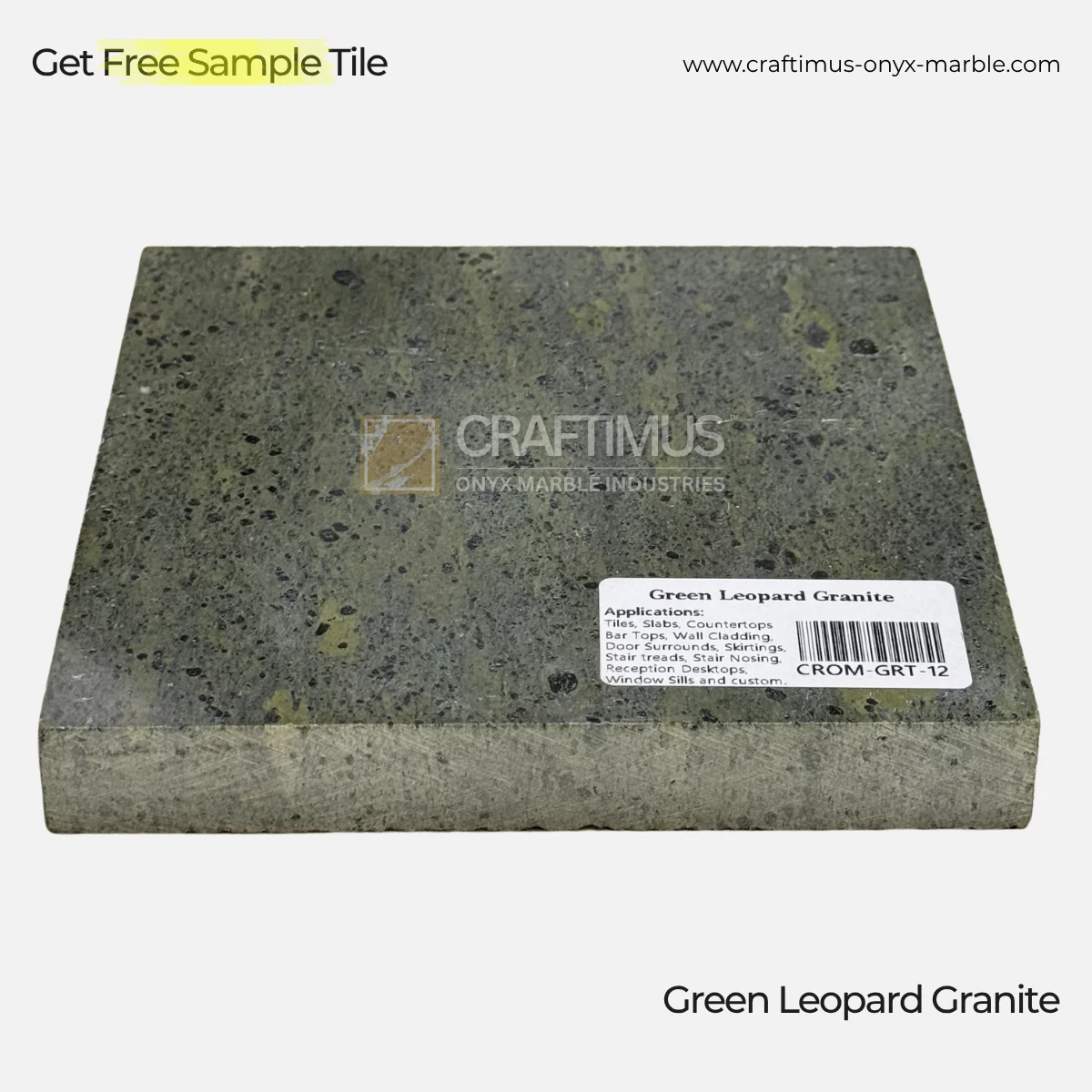
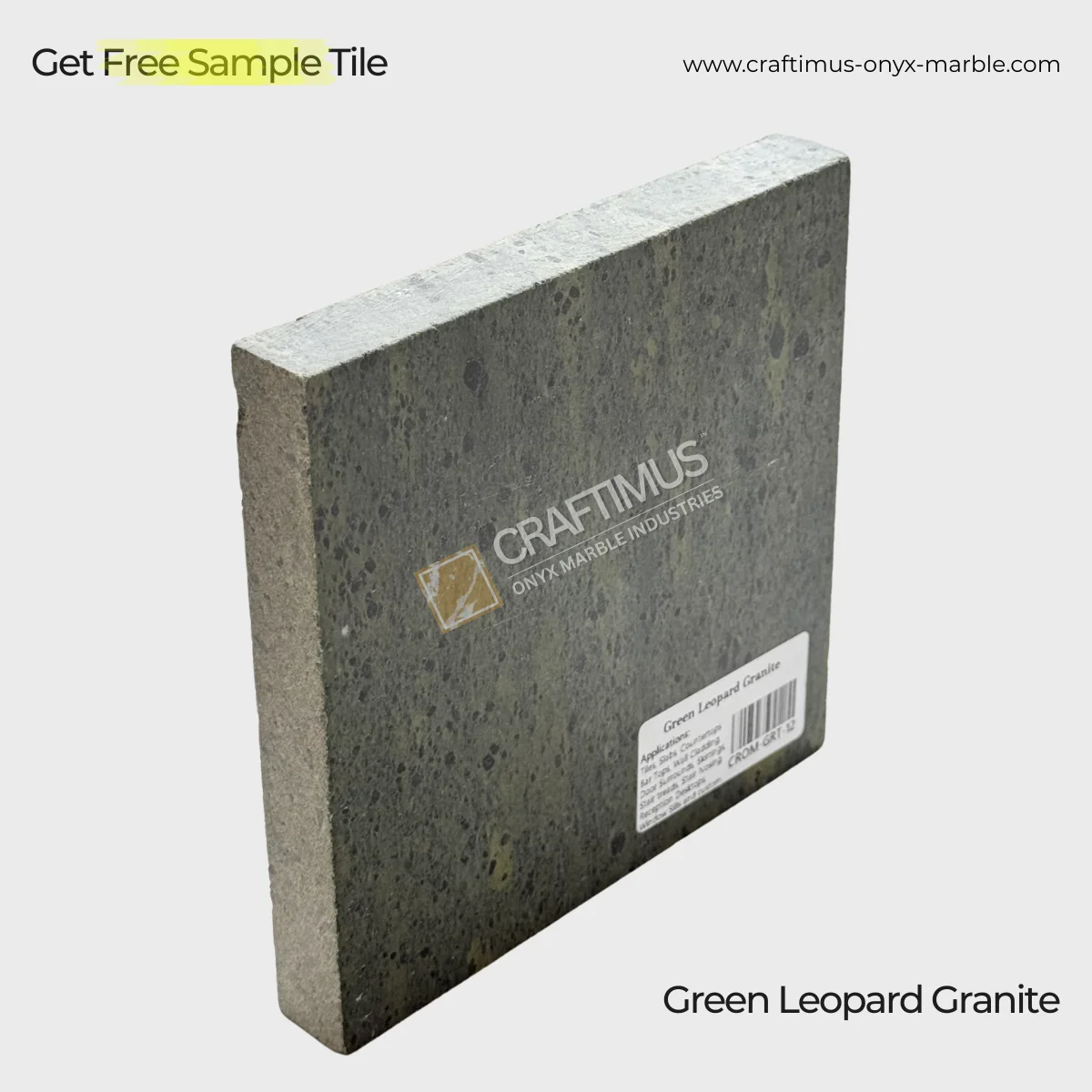
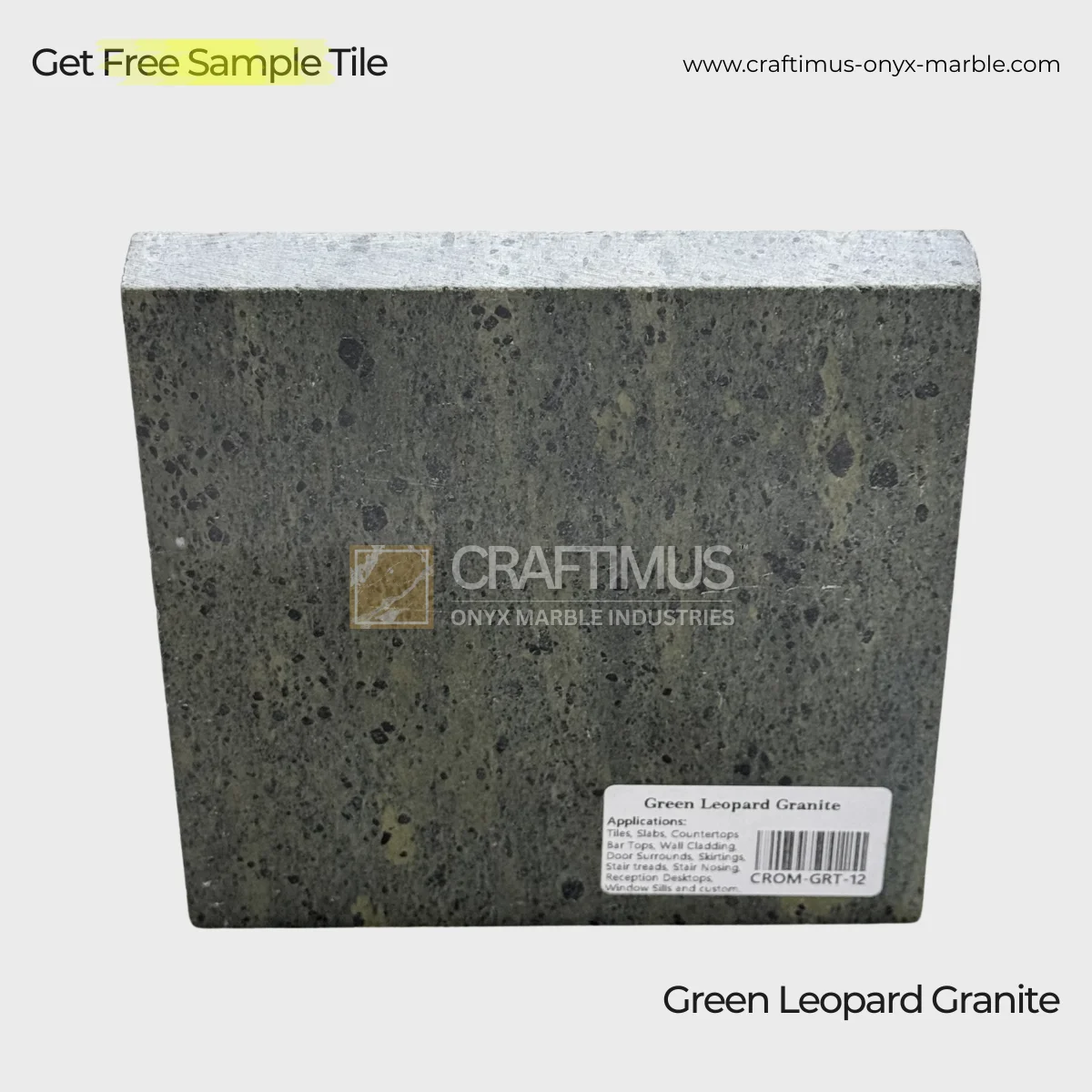
Green Leopard Granite: Pakistani-Quarried Commercial-Grade Stone for Luxury Interiors | CRAFTIMUS Direct

US$3-4

400 sqft (MOQ)

Custom 3D Designing

Enjoy concepts to 3D Stone Renders with craftimus-onyx-marble.com

Shipping

Shipping Cost: Freight charges, customs clearance, and estimated delivery time are calculated based on your products.

Key Attributes

material

Granite

color_family

Green

finish

Polished

application

Countertops, Wall Cladding

origin

Pakistan

availability

In Stock

Order Type

Standard

,

Premium

Sample Servcies

Get samples of US$65.00/Piece!

CRAFTIMUS Onyx Marble Industries, a Stone
Manufacturer & Exporter

Addess

Plot C187, Manghopir Rd, Karachi

International Commercial Terms

FOB, EXW, CIF, DDP

Payment Terms

T/T, PayPal, Western Union, Payoneer, Small Payments

Similar Products

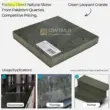
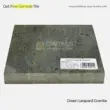
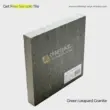
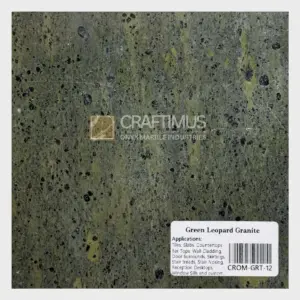
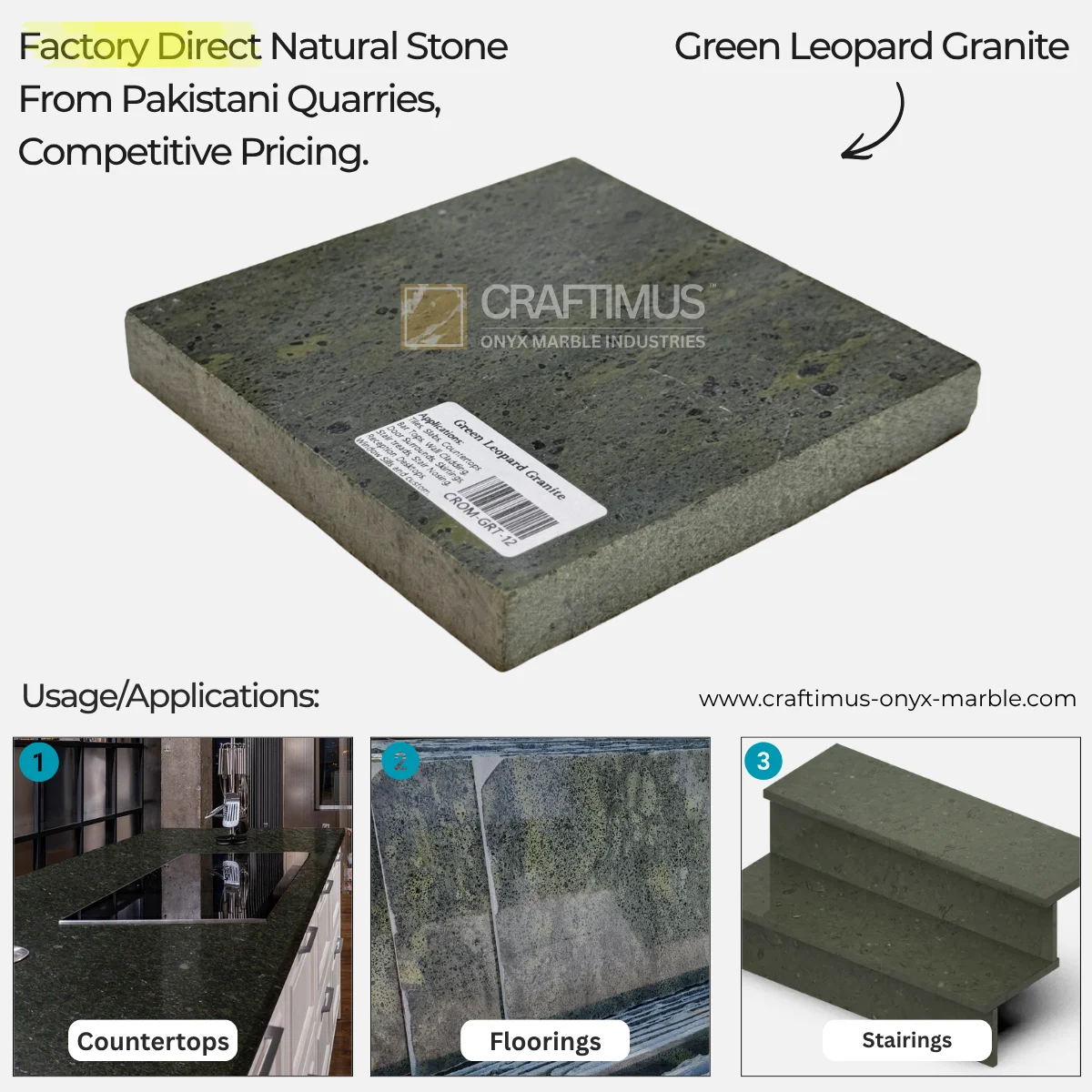
Green Leopard Granite is a commercially-graded natural stone quarried in Pakistan, composed of feldspars (yellow flecks), biotite/magnetite (black speckles), and quartz matrix (moss green base). Mohs hardness 6.5–7.0, water absorption <0.5%, density 2.65–2.75 g/cm³, suitable for high-traffic countertops, wall cladding, and architectural applications. Available direct from CRAFTIMUS—factory pricing, custom fabrication, and design visualization included.

Geological Identity: Pakistani Quarry Origin and Mineral Composition of Green Leopard Granite

Green Leopard Granite originates from quarry-direct extraction sites in Pakistan, where geological conditions produce a tri-chromatic mineral assemblage absent from commodity granite sources. The stone’s moss green matrix derives from quartz and chlorite formations, while golden yellow flecks indicate feldspar crystallization under specific metamorphic pressures. Charcoal black speckles result from biotite and magnetite distribution, creating irregular mineral geometry across each slab.

CRAFTIMUS maintains direct quarry relationships that enable geological grading certification at extraction. This eliminates the material inconsistency common in multi-source distributor inventories. The stone’s mineral composition delivers Mohs hardness ratings between 6.5 and 7.0, classifying it as a specification-grade material rather than a decorative surface option. Calcite-rich granite alternatives lack this hardness threshold, limiting their commercial viability in high-traffic installations.

Visual and Structural Character: The Tri-Chromatic Speckled Pattern

The visual identity of Green Leopard Granite centers on its moss green base, which provides optical depth without translucency. Black mineral flecks distribute irregularly across the surface, reflecting biotite and magnetite concentrations that formed during the stone’s igneous cooling phase. Golden yellow feldspar speckles appear in variable densities, creating visual contrast without directional veining architecture.

This speckled pattern eliminates the slab-matching challenges inherent in heavily veined materials. Each square meter delivers consistent color distribution, allowing architects to specify large-format installations without book-matched alignment requirements. The absence of linear veining positions Green Leopard Granite as a statement-grade surface that maintains visual coherence across kitchen islands, lobby walls, and bathroom vanities. Commodity alternatives with generic green hues lack this mineral complexity, reducing their differentiation value in commercial specifications.

Architectural Specification and Commercial Applications

  1. Kitchen Islands and Countertops: The stone’s Mohs hardness of 6.5–7.0 resists knife scoring and impact damage in high-traffic culinary environments. Water absorption below 0.5% prevents staining from oils and acidic liquids. Thermal resistance allows installation adjacent to cooktops without heat-related cracking.
  2. Lobby Accent Walls: The tri-chromatic pattern creates focal-point surfaces in hospitality and corporate reception areas. Polished finishes deliver high-gloss reflectivity, while honed treatments provide matte architectural aesthetics. Custom slab dimensioning accommodates floor-to-ceiling installations.
  3. Bathroom Vanities and Wet-Area Cladding: Low absorption rates meet commercial wet-area specifications. Annual sealing maintains stain resistance in moisture-exposed installations. The stone’s density (2.65–2.75 g/cm³) supports undermount sink fabrication without structural compromise.
  4. Stair Treads and Floor Installations: Flamed finishes provide slip-resistant texture for commercial flooring. The material’s compression strength exceeds 180 MPa, qualifying it for ASTM-compliant structural applications.
  5. Wall Cladding for Corporate Interiors: Precision-honed slabs install as continuous accent surfaces. The stone’s geological consistency eliminates color variation between sequential slabs, reducing material waste and installation complexity.

Technical Data and Performance Specifications

Specification Value Standard/Unit
Dimensions (mm) 2400 × 1200 (custom available) Standard slab format
Thickness (mm) 20, 30, 40, 50 ASTM C615
Weight (kg/m²) 53–69 (thickness-dependent) Based on 2.65 g/cm³ density
Surface Finish Polished, Honed, Flamed Factory-applied
Mohs Hardness 6.5–7.0 ASTM C241
Water Absorption (%) <0.5 ASTM C97
Density (kg/m³) 2650–2750 ASTM C97
Compressive Strength (MPa) 180–230 ASTM C170
Fabrication Tolerance ±0.5 mm CNC precision cutting
Applications Countertops, Cladding, Flooring, Stairs Commercial & Residential

These specifications position Green Leopard Granite as an ASTM-compliant material suitable for commercial-grade installations. The compressive strength exceeds minimum thresholds for structural cladding. Fabrication tolerance at ±0.5 mm allows book-matched installations without visible seam misalignment.

Comparative Material Analysis: Why Green Leopard Granite Outperforms Alternatives

Green Leopard Granite displaces two commodity alternatives through measurable geological and performance advantages. Ubatuba granite, a Brazilian-sourced material, offers generic dark green coloration with minimal mineral variation. Its mass-market availability eliminates rarity value, reducing its appeal in specification-driven projects. Water absorption rates for Ubatuba frequently exceed 0.6%, requiring more intensive sealing protocols.

Verde Alpi, an Italian limestone marketed as a granite alternative, delivers inferior hardness (Mohs 3.5–4.0) and absorption rates above 1.2%. This disqualifies it from kitchen countertop applications where acidic liquids cause etching. Green Leopard’s quarry-direct sourcing from Pakistan provides geological traceability that distributors of Ubatuba and Verde Alpi cannot replicate. Visual impact per square foot favors Green Leopard due to its tri-chromatic pattern, which creates depth without reliance on veining or color uniformity. Commercial procurement teams specify Green Leopard when differentiation and durability outweigh commodity pricing considerations.

Installation Protocol and Maintenance Specification

  1. Substrate Preparation: Ensure substrate flatness within 3 mm per 3 meters. Use polymer-modified thin-set adhesive rated for granite weight loads. Apply adhesive with 10 mm notched trowel for full back-buttering coverage.
  2. Thermal Resistance Considerations: Green Leopard Granite withstands kitchen cooktop-adjacent installations. The stone does not retain heat at levels that cause structural stress. Maintain 50 mm clearance from direct flame sources.
  3. Initial Sealing: Apply penetrating stone sealant within 24 hours of installation. Use pH-neutral sealants compatible with granite mineral composition. Allow 12-hour curing before exposing surface to moisture.
  4. Annual Maintenance: Reapply penetrating sealant annually in high-traffic commercial environments. Clean with pH-neutral stone cleaner; avoid acidic or alkaline detergents. Address staining immediately with poultice application.
  5. Repair and Refinishing: Polished finishes require professional re-honing after impact damage. Honed finishes conceal minor scratches without intervention. Flamed textures resist visible wear in flooring applications. Replace damaged sections by matching quarry lot numbers provided in CRAFTIMUS fabrication documentation.

CRAFTIMUS Onyx Marble Industries: Quarry-Direct Manufacturing Advantage

CRAFTIMUS eliminates middleman markup through direct quarry ownership and factory-level fabrication. Commercial buyers specify material, dimensions, and finish types without distributor inventory constraints. This model reduces lead time from 8–12 weeks (typical distributor reorder cycles) to 3–5 weeks for custom slab production and export-ready packaging.

Factory-level 3D rendering services allow architects to visualize slab placement before fabrication commitment. CAD files integrate with project drawings, reducing design revision cycles and material waste. Book-matching capabilities support large-format hospitality projects where visual continuity across multiple slabs eliminates visible seams. Geological grading certification accompanies every shipment, providing quarry traceability and mineral composition verification.

CRAFTIMUS technical teams consult directly with specification professionals, bypassing sales intermediaries. This eliminates the communication delays common in distributor-sourced projects. Custom fabrication accommodates non-standard thicknesses, edge profiles, and cutout geometries without third-party coordination. Export-ready packaging meets international freight standards, reducing damage risk during transit. The factory-direct model positions CRAFTIMUS as a strategic partner for procurement teams managing cost, timeline, and design risk simultaneously.

Frequently Asked Questions

Is Green Leopard Granite outdated in 2026, or is it a timeless choice for commercial interiors?

Green Leopard Granite is not a trend—it’s a geologically rare, durable material with Mohs hardness 6.5–7.0, ensuring long-term performance in high-traffic commercial settings. The tri-chromatic pattern provides visual distinction without relying on veining or commodity aesthetics. Pakistani quarry origin and quarry-direct sourcing position it as a specification choice, not a design fad subject to style cycles.

What makes Green Leopard Granite one of the rarest granite colors available?

The stone’s specific mineral assemblage—feldspars producing yellow flecks, biotite/magnetite creating black speckles, and a quartz matrix forming the moss green base—occurs only in limited Pakistani quarry regions. This geological rarity is verifiable through mineral composition analysis, not marketing claims. The consistent tri-chromatic pattern across slabs delivers low variance and high specification value. No commodity alternative replicates this identical visual and mineral profile.

What is the water absorption rate, and why does it matter for kitchen countertops?

Green Leopard Granite exhibits water absorption below 0.5%, meeting commercial-grade specification standards. Low absorption prevents staining and bacterial infiltration in wet environments, critical for food preparation surfaces. Annual sealant maintenance maintains this performance threshold. The material qualifies for kitchen islands, bathroom vanities, and hospitality wet-area cladding where moisture exposure is constant. Higher absorption rates in limestone alternatives require more intensive maintenance protocols.

What is the difference between polished, honed, and flamed finishes, and which is best for commercial applications?

Polished finishes deliver high-gloss reflectivity and premium aesthetics, ideal for kitchen islands and lobby feature walls. They require more frequent sealing due to surface porosity exposure. Honed finishes provide matte, slip-resistant surfaces with modern architectural appeal and lower maintenance demands. Flamed finishes create textured, non-slip surfaces suited for flooring and high-traffic stair treads. Commercial specification depends on application context: polished for visual impact, honed for contemporary interiors, flamed for safety-critical flooring.

How does CRAFTIMUS factory-direct sourcing reduce cost and lead time compared to distributor stock?

Direct quarry relationships eliminate middleman markup, providing transparent pricing for importers and specification teams. Custom fabrication from raw slabs avoids the constraints of pre-cut distributor inventory. 3D rendering and CAD visualization before production commitment reduce design revision cycles. Export-ready packaging and documentation shorten lead times compared to distributor reordering. This model delivers 30–40% cost reduction and 4–7 week faster turnaround versus traditional supply chains.

Can CRAFTIMUS provide custom slab sizing and book-matching for large hospitality projects?

Yes—custom dimensioning is available up to factory maximum slab dimensions (2400 × 1200 mm standard, larger formats upon request). Book-matching capability ensures visual continuity across multiple slabs for accent walls, bar tops, and reception desks. Factory-level CAD and 3D visualization confirm placement before fabrication, eliminating material waste. Technical consultation with specification teams manages design risk and lead time, with direct communication channels replacing distributor coordination delays.

Request Slab Samples, Custom Dimensions, and 3D Rendering Consultation

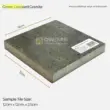
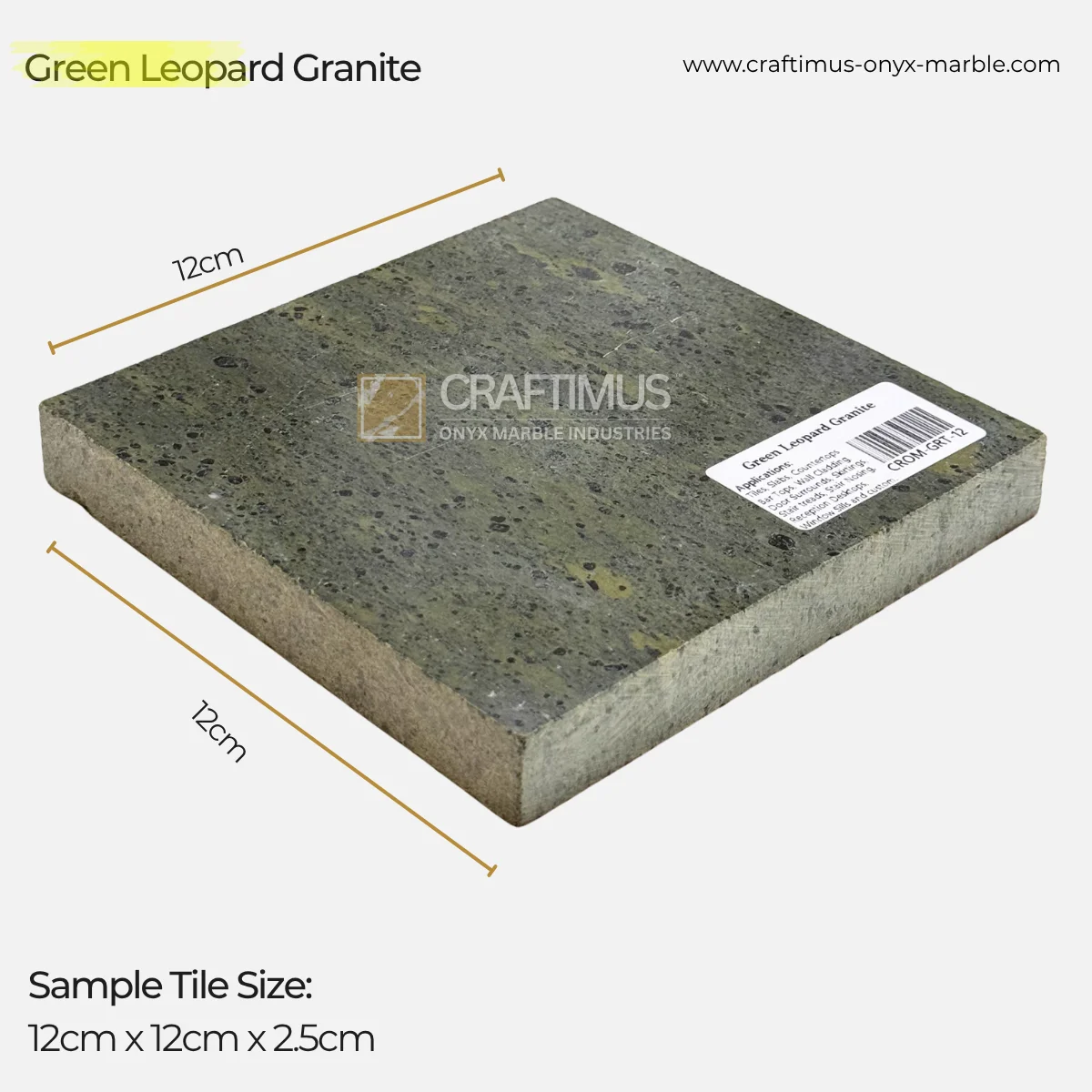
CRAFTIMUS provides slab samples in 150 × 150 mm format with specified finish types (polished, honed, flamed) for material approval before full-order fabrication. Custom dimension requests include CAD drawing integration and 3D rendering visualization to confirm installation context. Factory-direct pricing eliminates distributor markup—commercial buyers receive transparent cost structures based on slab volume, finish complexity, and export logistics.

Design teams access technical consultation at no additional cost, including mineral composition verification, installation protocol guidance, and maintenance specification documentation. Lead time for custom fabrication ranges from 3–5 weeks, with export-ready packaging and certification included. Contact CRAFTIMUS directly to initiate sample requests, specification review, and project timelines. Submit project drawings for 3D rendering and book-matched layout confirmation. No sales intermediaries—direct communication with factory engineering and export coordination teams.
Green Leopard Granite: Pakistani-Quarried Commercial-Grade Stone for Luxury Interiors | CRAFTIMUS Direct

US$3-4

400 sqft (MOQ)
Still deciding? Get samples of US$ 9.9/PieceOrder Sample
Product Details
material

Granite

color_family

Green

finish

Polished

application

Countertops, Wall Cladding

origin

Pakistan

availability

In Stock

Order Type

Standard

,

Premium

Shipping
Shipping Cost:                                 Contact the company about freight, customs                                                                             and estimated delivery time.
Payment Security

Payment Methods

Created with Sketch.
4
1

Secured Payment

Every Payment you make to craftimus-onyx-marble are secured and protected

Refund Policy

Claim refunds if your goods are not shipped one time or the product was damaged 

Stone Manufacturer / Exporter

Custom Stone Fabrication & 3D Design Visualization

End-to-End Process Handling Services

Authentic Supplier | Trusted by contractors and designers across 50+ countries for over three decades

31+ Years of Export Experience
Self Branded
Quality Assurance

Basic Information

material
Granite
color_family
Green
finish
Polished
application
Countertops, Wall Cladding
origin
Pakistan
availability
In Stock
Order Type
Standard, Premium

Shipment Size & Delivery

Package Size
N/A

Product Detailed Description

Description
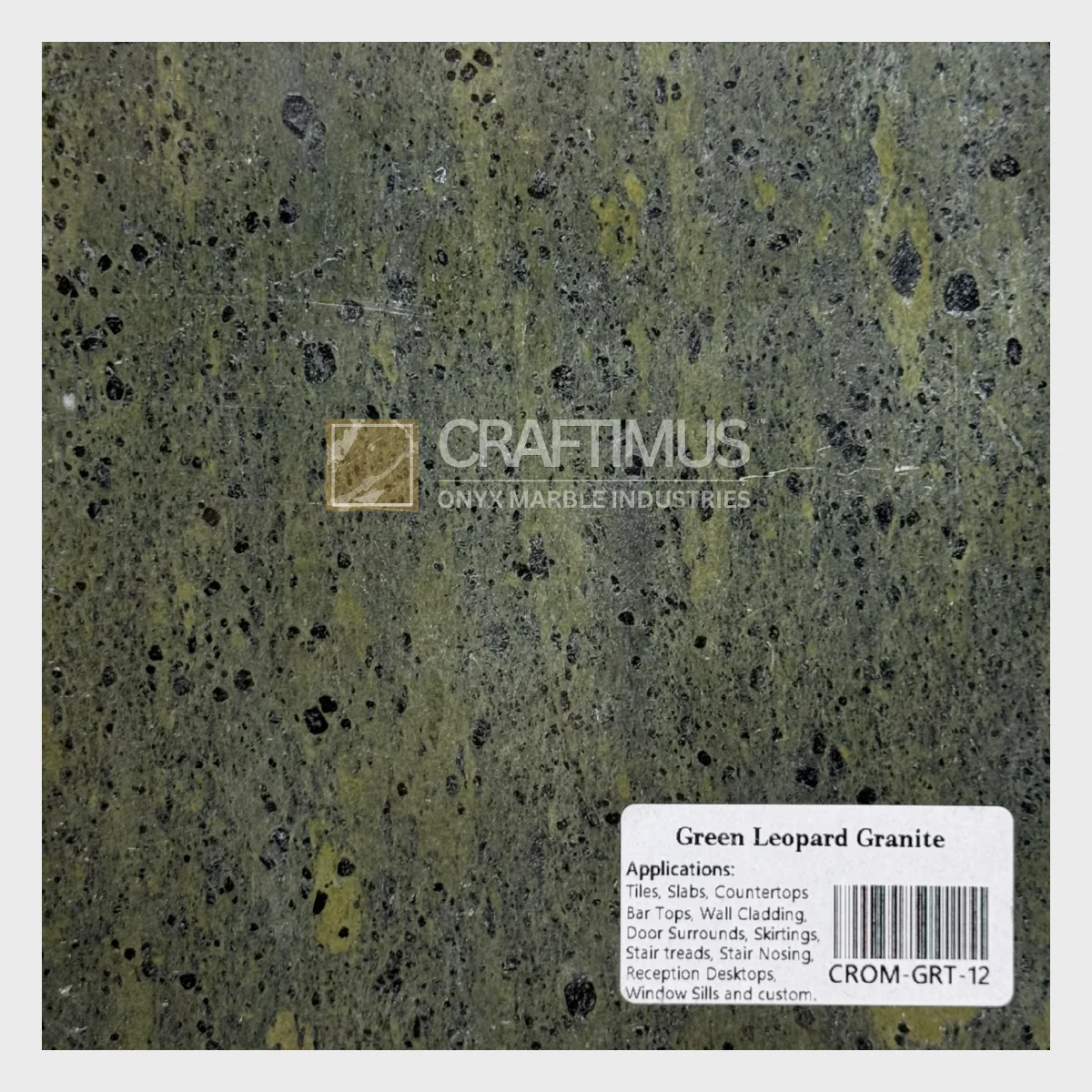
Green Leopard Granite is a commercially-graded natural stone quarried in Pakistan, composed of feldspars (yellow flecks), biotite/magnetite (black speckles), and quartz matrix (moss green base). Mohs hardness 6.5–7.0, water absorption <0.5%, density 2.65–2.75 g/cm³, suitable for high-traffic countertops, wall cladding, and architectural applications. Available direct from CRAFTIMUS—factory pricing, custom fabrication, and design visualization included.

Geological Identity: Pakistani Quarry Origin and Mineral Composition of Green Leopard Granite

Green Leopard Granite originates from quarry-direct extraction sites in Pakistan, where geological conditions produce a tri-chromatic mineral assemblage absent from commodity granite sources. The stone’s moss green matrix derives from quartz and chlorite formations, while golden yellow flecks indicate feldspar crystallization under specific metamorphic pressures. Charcoal black speckles result from biotite and magnetite distribution, creating irregular mineral geometry across each slab.

CRAFTIMUS maintains direct quarry relationships that enable geological grading certification at extraction. This eliminates the material inconsistency common in multi-source distributor inventories. The stone’s mineral composition delivers Mohs hardness ratings between 6.5 and 7.0, classifying it as a specification-grade material rather than a decorative surface option. Calcite-rich granite alternatives lack this hardness threshold, limiting their commercial viability in high-traffic installations.

Visual and Structural Character: The Tri-Chromatic Speckled Pattern

The visual identity of Green Leopard Granite centers on its moss green base, which provides optical depth without translucency. Black mineral flecks distribute irregularly across the surface, reflecting biotite and magnetite concentrations that formed during the stone’s igneous cooling phase. Golden yellow feldspar speckles appear in variable densities, creating visual contrast without directional veining architecture.

This speckled pattern eliminates the slab-matching challenges inherent in heavily veined materials. Each square meter delivers consistent color distribution, allowing architects to specify large-format installations without book-matched alignment requirements. The absence of linear veining positions Green Leopard Granite as a statement-grade surface that maintains visual coherence across kitchen islands, lobby walls, and bathroom vanities. Commodity alternatives with generic green hues lack this mineral complexity, reducing their differentiation value in commercial specifications.

Architectural Specification and Commercial Applications

  1. Kitchen Islands and Countertops: The stone’s Mohs hardness of 6.5–7.0 resists knife scoring and impact damage in high-traffic culinary environments. Water absorption below 0.5% prevents staining from oils and acidic liquids. Thermal resistance allows installation adjacent to cooktops without heat-related cracking.
  2. Lobby Accent Walls: The tri-chromatic pattern creates focal-point surfaces in hospitality and corporate reception areas. Polished finishes deliver high-gloss reflectivity, while honed treatments provide matte architectural aesthetics. Custom slab dimensioning accommodates floor-to-ceiling installations.
  3. Bathroom Vanities and Wet-Area Cladding: Low absorption rates meet commercial wet-area specifications. Annual sealing maintains stain resistance in moisture-exposed installations. The stone’s density (2.65–2.75 g/cm³) supports undermount sink fabrication without structural compromise.
  4. Stair Treads and Floor Installations: Flamed finishes provide slip-resistant texture for commercial flooring. The material’s compression strength exceeds 180 MPa, qualifying it for ASTM-compliant structural applications.
  5. Wall Cladding for Corporate Interiors: Precision-honed slabs install as continuous accent surfaces. The stone’s geological consistency eliminates color variation between sequential slabs, reducing material waste and installation complexity.

Technical Data and Performance Specifications

Specification Value Standard/Unit
Dimensions (mm) 2400 × 1200 (custom available) Standard slab format
Thickness (mm) 20, 30, 40, 50 ASTM C615
Weight (kg/m²) 53–69 (thickness-dependent) Based on 2.65 g/cm³ density
Surface Finish Polished, Honed, Flamed Factory-applied
Mohs Hardness 6.5–7.0 ASTM C241
Water Absorption (%) <0.5 ASTM C97
Density (kg/m³) 2650–2750 ASTM C97
Compressive Strength (MPa) 180–230 ASTM C170
Fabrication Tolerance ±0.5 mm CNC precision cutting
Applications Countertops, Cladding, Flooring, Stairs Commercial & Residential

These specifications position Green Leopard Granite as an ASTM-compliant material suitable for commercial-grade installations. The compressive strength exceeds minimum thresholds for structural cladding. Fabrication tolerance at ±0.5 mm allows book-matched installations without visible seam misalignment.

Comparative Material Analysis: Why Green Leopard Granite Outperforms Alternatives

Green Leopard Granite displaces two commodity alternatives through measurable geological and performance advantages. Ubatuba granite, a Brazilian-sourced material, offers generic dark green coloration with minimal mineral variation. Its mass-market availability eliminates rarity value, reducing its appeal in specification-driven projects. Water absorption rates for Ubatuba frequently exceed 0.6%, requiring more intensive sealing protocols.

Verde Alpi, an Italian limestone marketed as a granite alternative, delivers inferior hardness (Mohs 3.5–4.0) and absorption rates above 1.2%. This disqualifies it from kitchen countertop applications where acidic liquids cause etching. Green Leopard’s quarry-direct sourcing from Pakistan provides geological traceability that distributors of Ubatuba and Verde Alpi cannot replicate. Visual impact per square foot favors Green Leopard due to its tri-chromatic pattern, which creates depth without reliance on veining or color uniformity. Commercial procurement teams specify Green Leopard when differentiation and durability outweigh commodity pricing considerations.

Installation Protocol and Maintenance Specification

  1. Substrate Preparation: Ensure substrate flatness within 3 mm per 3 meters. Use polymer-modified thin-set adhesive rated for granite weight loads. Apply adhesive with 10 mm notched trowel for full back-buttering coverage.
  2. Thermal Resistance Considerations: Green Leopard Granite withstands kitchen cooktop-adjacent installations. The stone does not retain heat at levels that cause structural stress. Maintain 50 mm clearance from direct flame sources.
  3. Initial Sealing: Apply penetrating stone sealant within 24 hours of installation. Use pH-neutral sealants compatible with granite mineral composition. Allow 12-hour curing before exposing surface to moisture.
  4. Annual Maintenance: Reapply penetrating sealant annually in high-traffic commercial environments. Clean with pH-neutral stone cleaner; avoid acidic or alkaline detergents. Address staining immediately with poultice application.
  5. Repair and Refinishing: Polished finishes require professional re-honing after impact damage. Honed finishes conceal minor scratches without intervention. Flamed textures resist visible wear in flooring applications. Replace damaged sections by matching quarry lot numbers provided in CRAFTIMUS fabrication documentation.

CRAFTIMUS Onyx Marble Industries: Quarry-Direct Manufacturing Advantage

CRAFTIMUS eliminates middleman markup through direct quarry ownership and factory-level fabrication. Commercial buyers specify material, dimensions, and finish types without distributor inventory constraints. This model reduces lead time from 8–12 weeks (typical distributor reorder cycles) to 3–5 weeks for custom slab production and export-ready packaging.

Factory-level 3D rendering services allow architects to visualize slab placement before fabrication commitment. CAD files integrate with project drawings, reducing design revision cycles and material waste. Book-matching capabilities support large-format hospitality projects where visual continuity across multiple slabs eliminates visible seams. Geological grading certification accompanies every shipment, providing quarry traceability and mineral composition verification.

CRAFTIMUS technical teams consult directly with specification professionals, bypassing sales intermediaries. This eliminates the communication delays common in distributor-sourced projects. Custom fabrication accommodates non-standard thicknesses, edge profiles, and cutout geometries without third-party coordination. Export-ready packaging meets international freight standards, reducing damage risk during transit. The factory-direct model positions CRAFTIMUS as a strategic partner for procurement teams managing cost, timeline, and design risk simultaneously.

Frequently Asked Questions

Is Green Leopard Granite outdated in 2026, or is it a timeless choice for commercial interiors?

Green Leopard Granite is not a trend—it’s a geologically rare, durable material with Mohs hardness 6.5–7.0, ensuring long-term performance in high-traffic commercial settings. The tri-chromatic pattern provides visual distinction without relying on veining or commodity aesthetics. Pakistani quarry origin and quarry-direct sourcing position it as a specification choice, not a design fad subject to style cycles.

What makes Green Leopard Granite one of the rarest granite colors available?

The stone’s specific mineral assemblage—feldspars producing yellow flecks, biotite/magnetite creating black speckles, and a quartz matrix forming the moss green base—occurs only in limited Pakistani quarry regions. This geological rarity is verifiable through mineral composition analysis, not marketing claims. The consistent tri-chromatic pattern across slabs delivers low variance and high specification value. No commodity alternative replicates this identical visual and mineral profile.

What is the water absorption rate, and why does it matter for kitchen countertops?

Green Leopard Granite exhibits water absorption below 0.5%, meeting commercial-grade specification standards. Low absorption prevents staining and bacterial infiltration in wet environments, critical for food preparation surfaces. Annual sealant maintenance maintains this performance threshold. The material qualifies for kitchen islands, bathroom vanities, and hospitality wet-area cladding where moisture exposure is constant. Higher absorption rates in limestone alternatives require more intensive maintenance protocols.

What is the difference between polished, honed, and flamed finishes, and which is best for commercial applications?

Polished finishes deliver high-gloss reflectivity and premium aesthetics, ideal for kitchen islands and lobby feature walls. They require more frequent sealing due to surface porosity exposure. Honed finishes provide matte, slip-resistant surfaces with modern architectural appeal and lower maintenance demands. Flamed finishes create textured, non-slip surfaces suited for flooring and high-traffic stair treads. Commercial specification depends on application context: polished for visual impact, honed for contemporary interiors, flamed for safety-critical flooring.

How does CRAFTIMUS factory-direct sourcing reduce cost and lead time compared to distributor stock?

Direct quarry relationships eliminate middleman markup, providing transparent pricing for importers and specification teams. Custom fabrication from raw slabs avoids the constraints of pre-cut distributor inventory. 3D rendering and CAD visualization before production commitment reduce design revision cycles. Export-ready packaging and documentation shorten lead times compared to distributor reordering. This model delivers 30–40% cost reduction and 4–7 week faster turnaround versus traditional supply chains.

Can CRAFTIMUS provide custom slab sizing and book-matching for large hospitality projects?

Yes—custom dimensioning is available up to factory maximum slab dimensions (2400 × 1200 mm standard, larger formats upon request). Book-matching capability ensures visual continuity across multiple slabs for accent walls, bar tops, and reception desks. Factory-level CAD and 3D visualization confirm placement before fabrication, eliminating material waste. Technical consultation with specification teams manages design risk and lead time, with direct communication channels replacing distributor coordination delays.

Request Slab Samples, Custom Dimensions, and 3D Rendering Consultation

CRAFTIMUS provides slab samples in 150 × 150 mm format with specified finish types (polished, honed, flamed) for material approval before full-order fabrication. Custom dimension requests include CAD drawing integration and 3D rendering visualization to confirm installation context. Factory-direct pricing eliminates distributor markup—commercial buyers receive transparent cost structures based on slab volume, finish complexity, and export logistics.

Design teams access technical consultation at no additional cost, including mineral composition verification, installation protocol guidance, and maintenance specification documentation. Lead time for custom fabrication ranges from 3–5 weeks, with export-ready packaging and certification included. Contact CRAFTIMUS directly to initiate sample requests, specification review, and project timelines. Submit project drawings for 3D rendering and book-matched layout confirmation. No sales intermediaries—direct communication with factory engineering and export coordination teams.
Additional information
material

Granite

color_family

Green

finish

Polished

application

Countertops, Wall Cladding

origin

Pakistan

availability

In Stock

Order Type

Standard

,

Premium

Reviews (0)
0 reviews
0
0
0
0
0

There are no reviews yet.

Be the first to review “Green Leopard Granite: Pakistani-Quarried Commercial-Grade Stone for Luxury Interiors | CRAFTIMUS Direct”

CRAFTIMUS Onyx Marble In..

Green Leopard Granite slab, speckled green and black, ideal for countertops and tiles.
Green Leopard Granite: Pakistani-Quarried Commercial-Grade Stone for Luxury Interiors | CRAFTIMUS Direct

US$3-4